
Toyota Automated Logistics combines Bastian Solutions, Vanderlande’s warehousing business, and viastore under one unified brand.

We deliver innovative warehouse automation solutions that enable our customers to achieve a sustainable competitive advantage.

Search toggle

Automated Warehouse Systems for Durable Goods Manufacturing

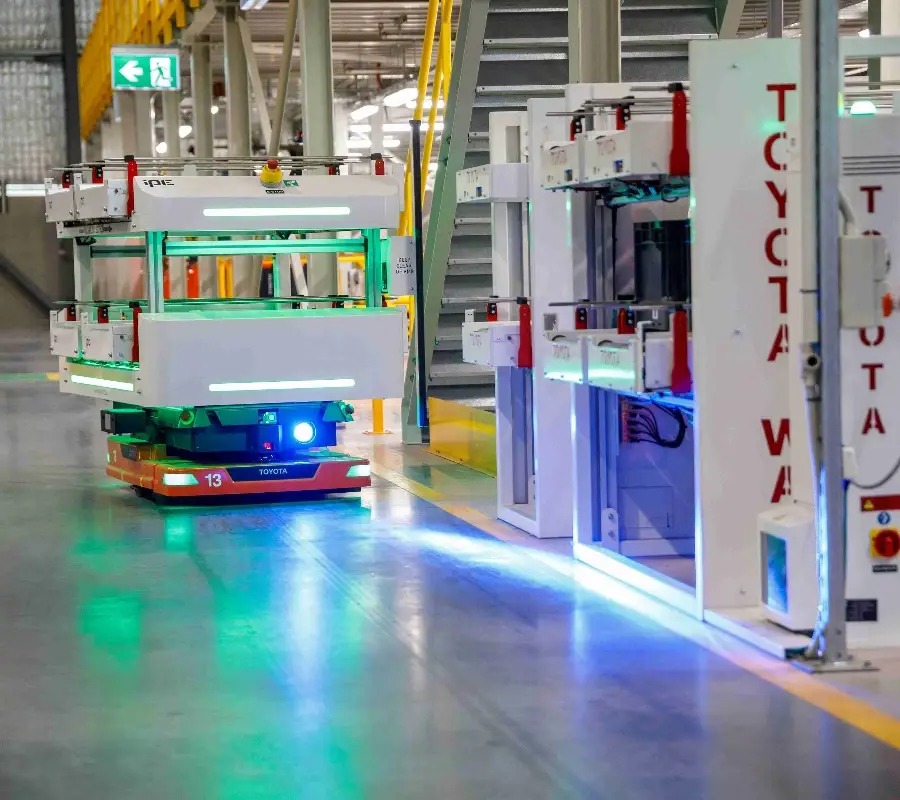
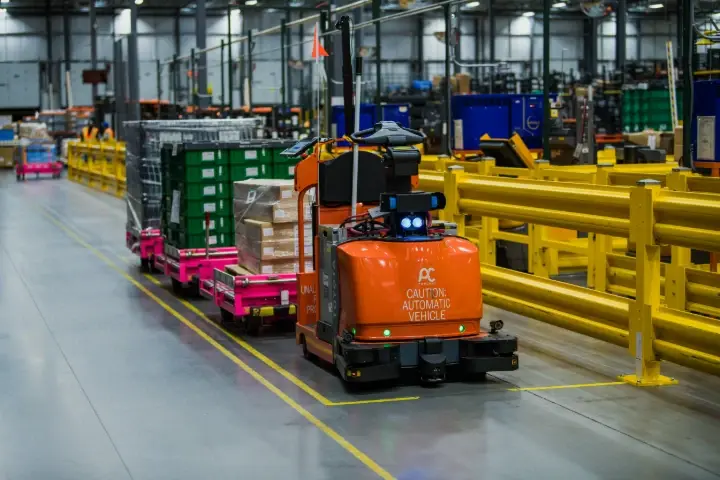
Toyota autonomous mobile robot navigating a warehouse floor using advanced sensors and lighting.

For modern durable goods manufacturers, maintaining a fast and efficient material flow is no longer optional; it is a critical requirement for remaining competitive in a global market.

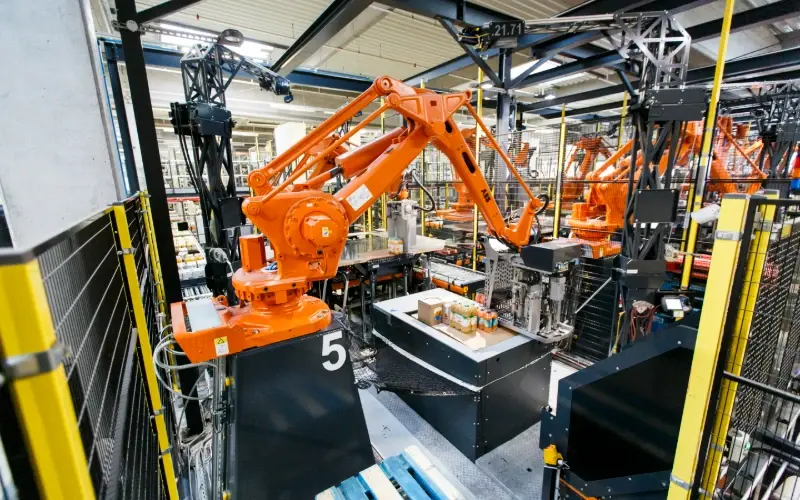
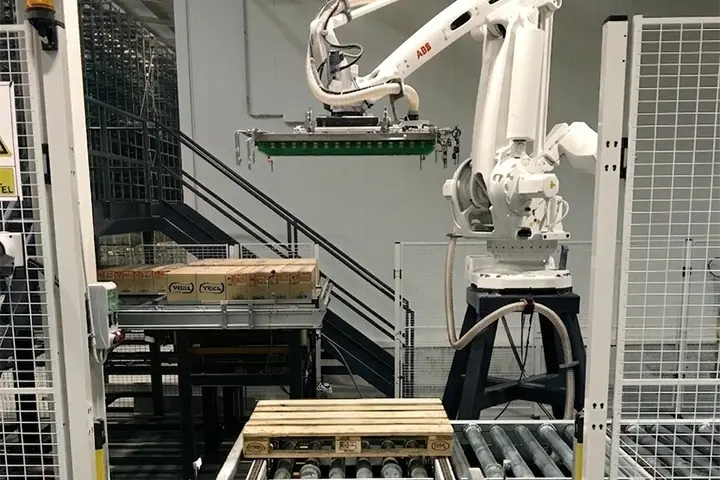
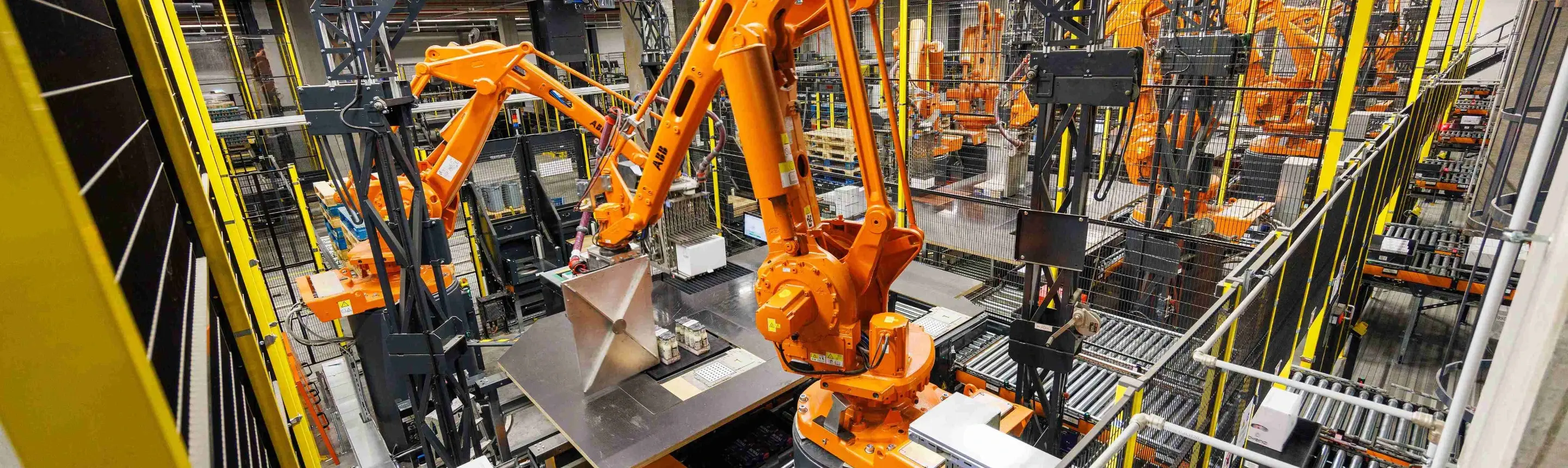
Our automated lean solutions shift operations from reactive to proactive by automating workflows, eliminating waste, and solving common challenges through custom-engineered equipment and optimized system implementation. By combining advanced robotics, automated storage and autonomous guided vehicles (AGVs) with intelligent software and controls systems, we deliver a scalable foundation for warehouse automation.
Overview

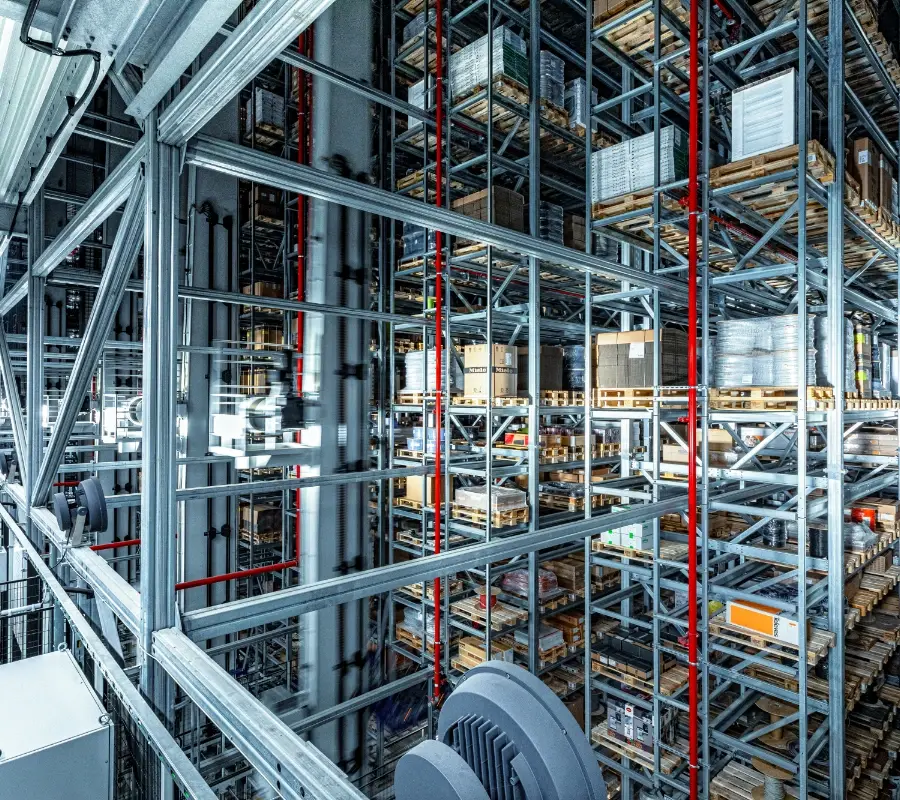
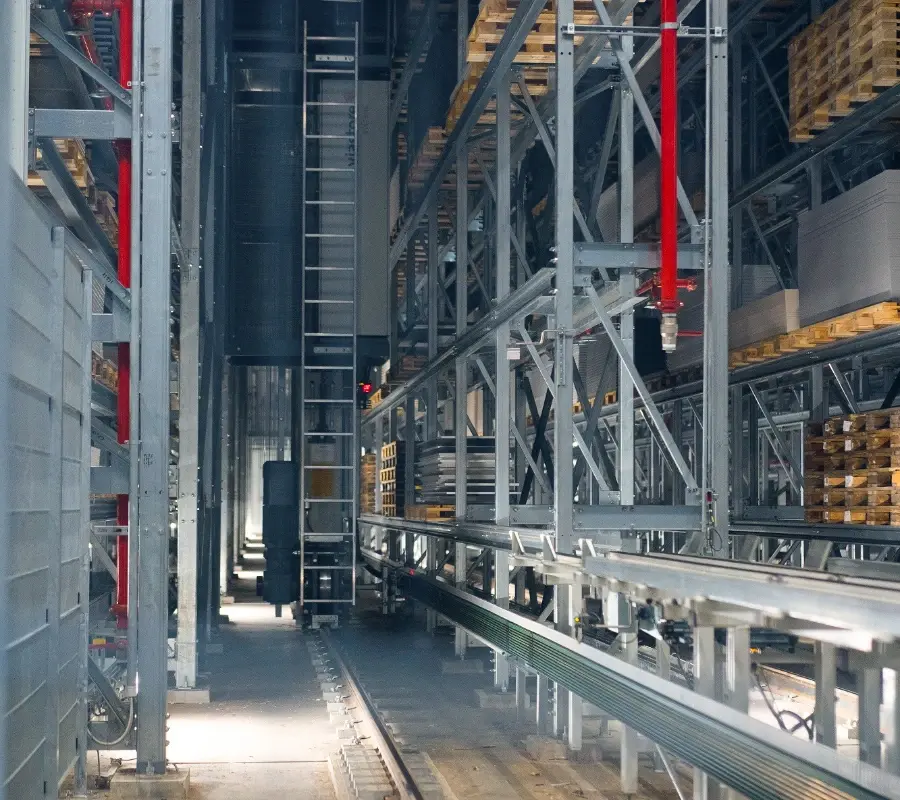
Automated pallet storage and retrieval system (ASRS) with tall metal racking and industrial lift in a warehouse.

What it is: Automated manufacturing systems are integrated intralogistics technologies that handle the storage, transport, and processing of materials without manual intervention.

Why it matters: Automated manufacturing systems eliminate operational waste and ensure continuous throughput, directly increasing a facility's profitability and competitiveness.

How we help: We help durable goods manufacturers increase throughput, reduce labor dependency and build resilient 24/7 operations through lean automation.

Automated Warehouse Solutions for Durable Goods Manufacturing

Automation technologies work together to create a synchronized, predictable material flow from receiving through production. Our automated warehouse solutions are designed to reduce variability, improve throughput, and support continuous operations across shifts.

Comparison: Manual vs. Automated Receiving

Feature / Metric Manual / Legacy Process Automated / New Solution
Throughput Consistency Variable based on shift/labor Constant 24/7 performance
Space Utilization Limited by forklift/human access High-density vertical storage
Inventory Accuracy Prone to manual counting errors Real-time digital tracking
Safety Risk High (forklifts/manual lifting) Low (controlled robotic zones)
Maintenance Style Reactive (fix when broken) Proactive (IoT-based alerts)
Labor Utilization High dependency, hard to scale Low dependency, easy to scale

Manufacturing Automation Benefits

Increased Reliability, Predictability and Throughput

Supports accurate production planning, reliable delivery and consistent performance despite labor constraints.

Lower Operating Costs

Automation reduces labor, energy and inventory carrying costs while increasing predictable output across shifts.

Optimal Space Utilization

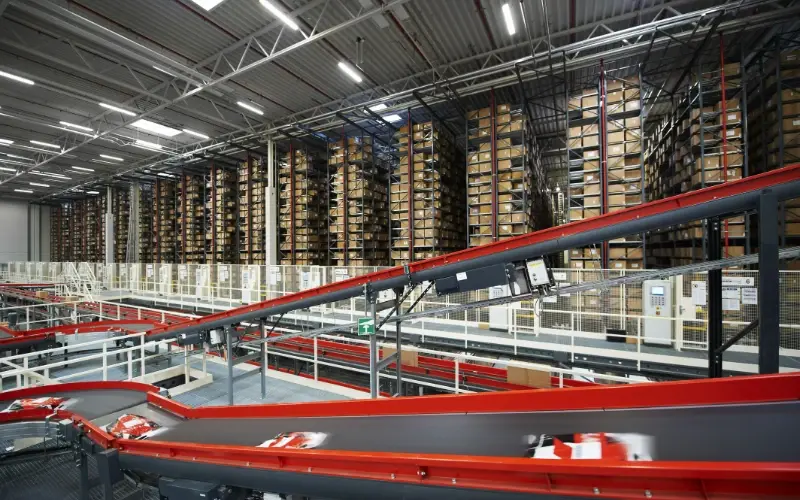
Use of ASRS and high-density conveyor networks helps manufacturers optimize every cubic inch of their facility.

Scalable and Future-ready

Automated systems can be expanded or reconfigured as product lines change, supporting long-term operational flexibility.

Enhanced Quality Control

The automation of repetitive tasks can help reduce the risk of defects and ensure that every finished good meets your exact specifications.

Real-Time Transparency

Integrating your WMS with MES and ERP platforms provides end-to-end visibility of your material flow.

Frequently Asked Questions

Why is automation important for manufacturing operations?

Automation is the primary driver of efficiency in manufacturing because it eliminates human error, reduces waste, and ensures 24/7 operational continuity. By implementing automated workflows, manufacturers can overcome labor training gaps and the inherent inefficiencies of shift changes. These systems provide a stable throughput rate that allows for more accurate production planning.

Automation also enables lean manufacturing by optimizing material flow and reducing the space footprint of inventory. This makes the business more agile and competitive, especially as onshoring increases the volume of inventory that must be managed on-site.

How do I know if my facility is ready for automation?

Readiness depends on stable workflows, repeatable processes, and clearly defined material movements. Our engineering team conducts on-site assessments and data analysis to identify which areas deliver the fastest ROI through phased automation.

What is the role of a WMS in a smart factory environment?

A Warehouse Management System (WMS) acts as the digital link between the warehouse and production, ensuring seamless data flow and material transparency.

The WMS tracks every movement from goods receipt to the finished product, integrating with MES and ERP systems to eliminate media discontinuity. This ensures that materials are available just-in-time, reducing buffer stocks and optimizing the use of personnel and vehicles.

Navigate Your Automation Decisions with Confidence

Partner with our experts to evaluate your operations and identify reliable automation opportunities that scale with your business.