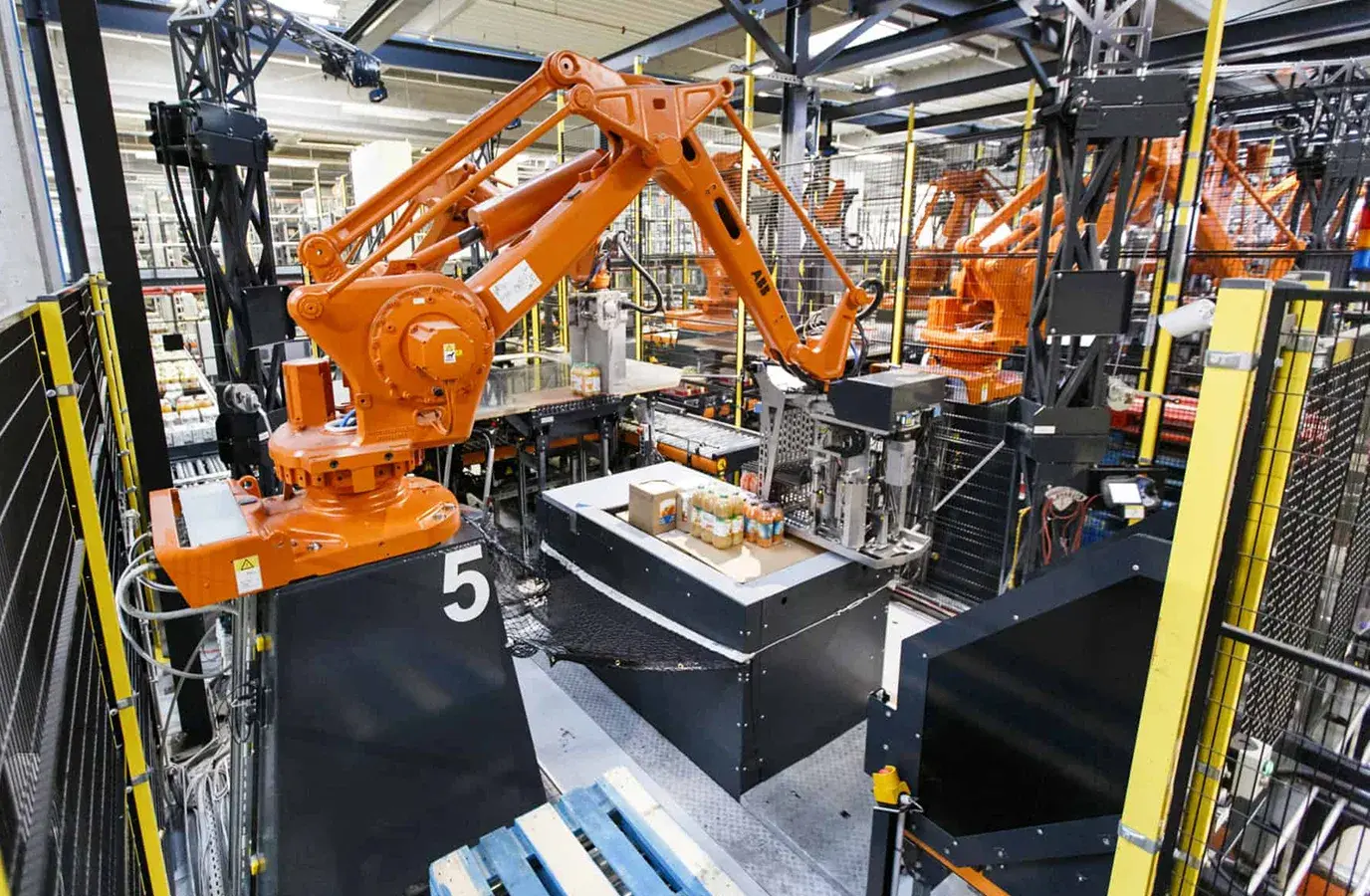

Toyota Automated Logistics combines Bastian Solutions, Vanderlande’s warehousing business, and viastore under one unified brand.

We deliver innovative warehouse automation solutions that enable our customers to achieve a sustainable competitive advantage.

Search toggle

Case & Piece Picking Systems

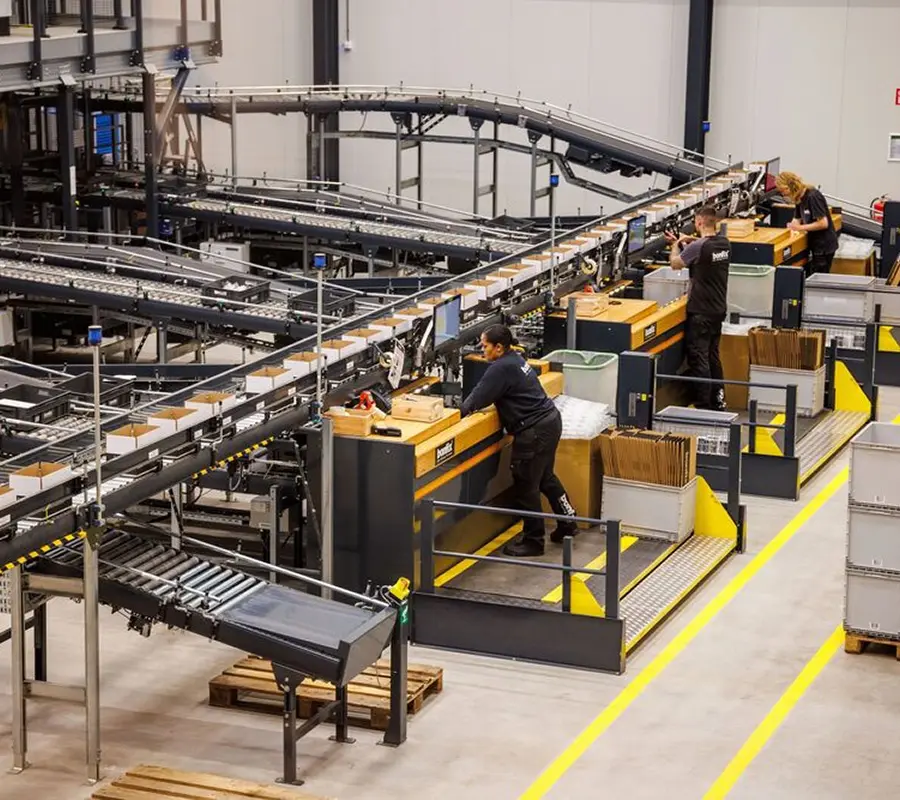
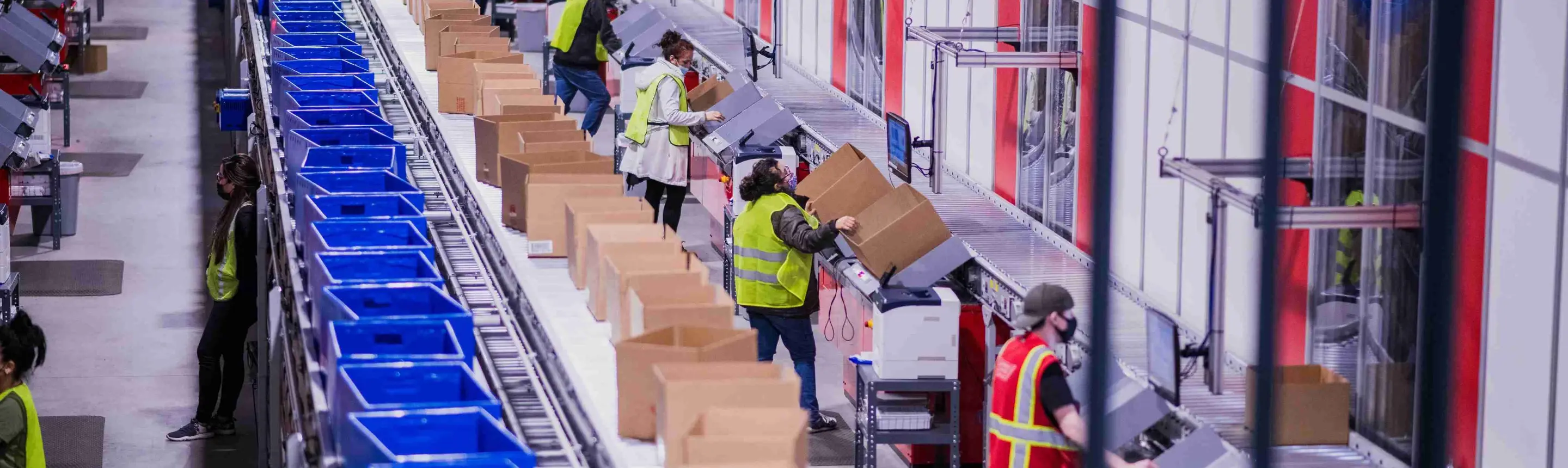
Warehouse employees using a goods-to-person conveyor system for efficient order fulfillment.

Case and piece picking systems automate one of the most labor-intensive and cost-critical functions in your operation: selecting individual items or full cases to fulfill customer orders. These systems combine directed workflows, automation technologies, and robotics to increase accuracy, stabilize throughput, and reduce dependency on manual labor.

Toyota Automated Logistics designs, integrates, and supports case and piece picking solutions that align with your order profiles, SKU characteristics, and service-level requirements. From light- and voice-directed picking to goods-to-person systems and robotic piece picking, our engineers deliver dependable systems that scale with demand and deliver measurable performance improvements.
Overview

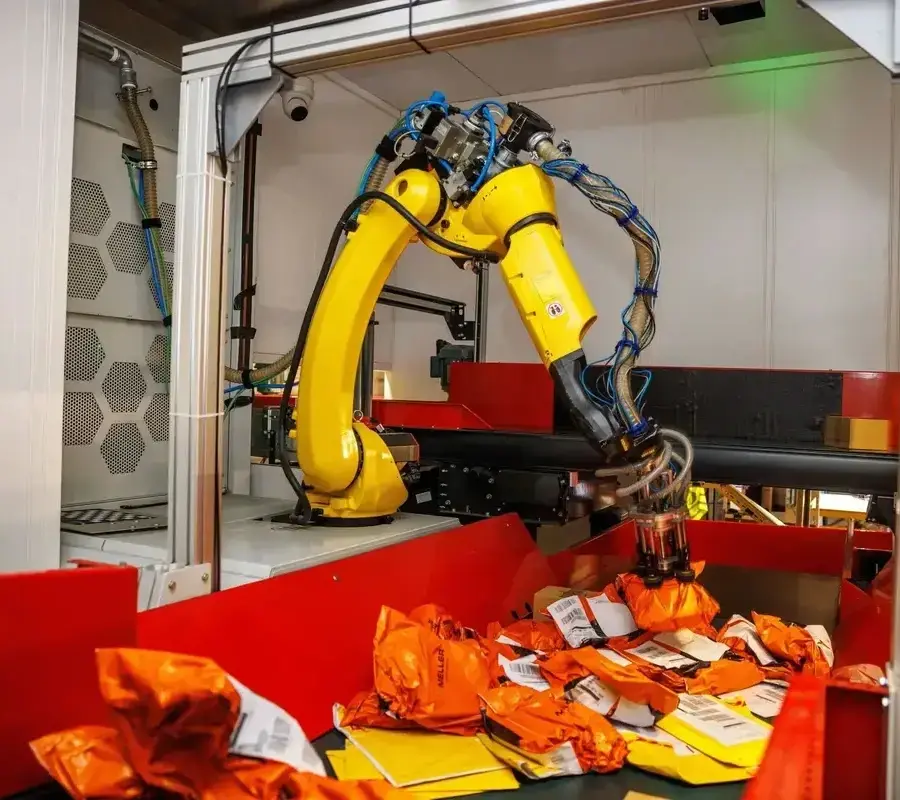
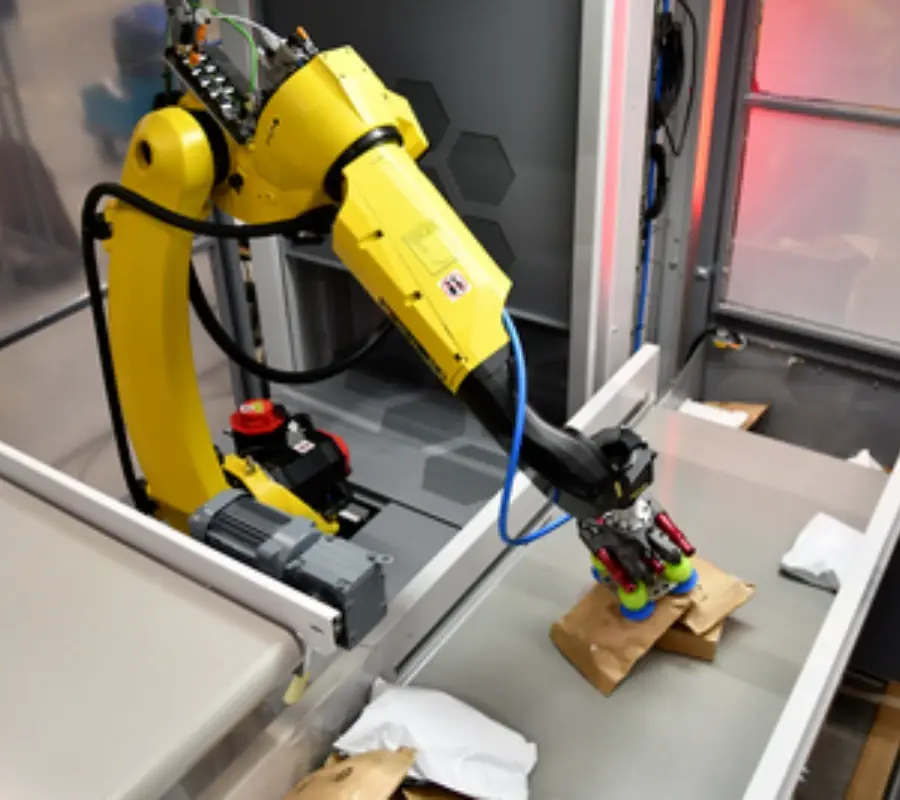
A yellow piece-picking robot arm sorts brown paper packages on an automated conveyor system.

What it is: Case and piece picking systems streamline order fulfillment by automating the selection of individual items or full cases using directed workflows, automation, and robotics.

Why it matters: Picking typically represents 50–60% of total fulfillment labor costs. Improving accuracy and productivity directly impacts customer satisfaction, order cycle time and operating margins.

How we help: Toyota Automated Logistics analyzes your order profiles, SKU velocity, and labor demands to design picking systems that integrate seamlessly with your material handling infrastructure and deliver dependable, scalable performance.

Capabilities

Goods-to-Person Systems

Increase picking speed, improve accuracy, and boost storage density with automated storage systems that deliver inventory directly to ergonomic pick stations. Operators stay in place while the system sequences items for them, reducing walking time and fatigue and keeping fulfillment flow consistent.

Pick-to-Light and Put-to-Light Direction

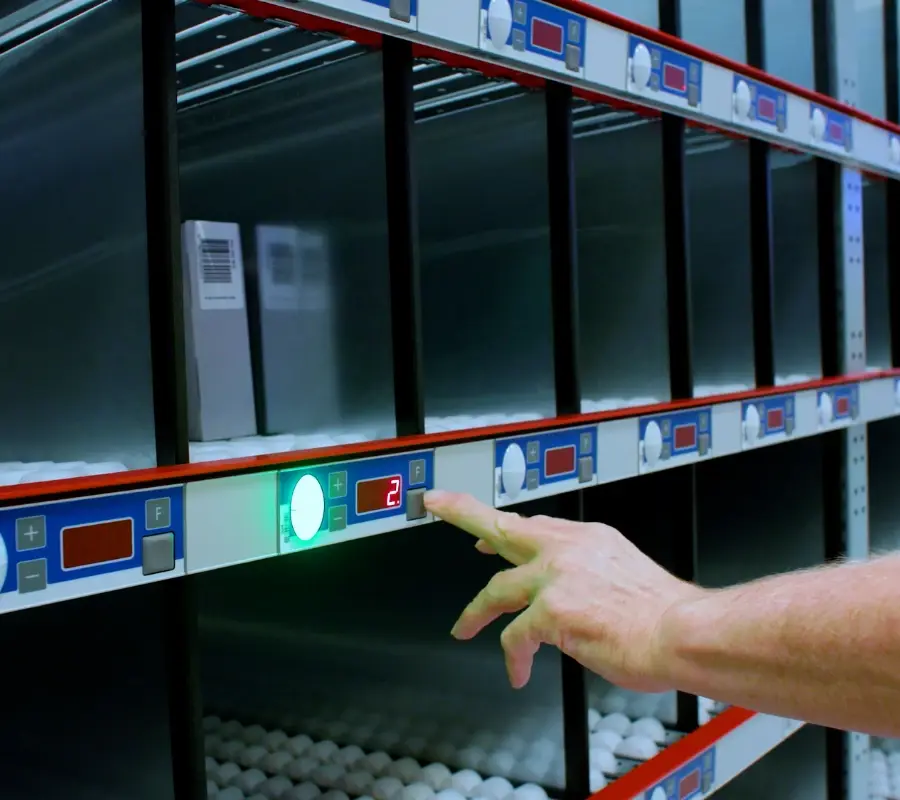
Speed up fulfillment and improve accuracy with light‑directed systems that use LEDs to guide operators to the correct locations and quantities. Pick‑to‑light accelerates selection, while put‑to‑light streamlines order consolidation — delivering high throughput with near‑zero errors.

Voice-Directed Picking

Voice-picking systems deliver location and quantity instructions through wireless headsets, with verbal confirmation using check digits. This hands-free approach supports safe handling of bulky or awkward items and enables rapid onboarding of new labor.

Robotic Piece Picking

Robotic picking cells combine 3D vision, AI-driven grasp planning, and articulated arms to identify and pick individual items. These systems handle a wide range of SKU types and operate continuously, supporting high-throughput environments with limited labor availability.

Zone and Batch Picking Configuration

Zone picking assigns operators to dedicated SKU ranges, reducing travel and increasing specialization. Batch picking consolidates multiple orders into single pick tours, with downstream sortation. Waveless picking dynamically releases work based on real-time priorities. TAL configures these strategies through WMS and WES integration to maximize picks per labor hour.

Key Benefits

Improved Accuracy

Directed workflows with real-time verification achieve 99.9%+ picking accuracy, reducing mis-shipments, returns, and customer service costs.

Increased Labor Productivity

Automated guidance and optimized pick paths significantly increases picks per labor hour compared to unstructured manual picking.

Reduced Training Time

Light- and voice-directed systems guide new workers through processes, reducing training time from weeks to days while maintaining performance standards.

Faster Order Fulfillment

Parallel picking across zones and goods-to-person delivery compress order cycle times, enabling faster cutoffs and same-day shipping.

Improved Ergonomics and Safety

Reduced walking, reaching, and lifting lowers injury risk, improves worker comfort, and supports higher retention.

Scalable Automation

Modular systems scale by adding pick zones, workstations, or robots as demand changes — without proportional labor increases.

Lower Total Cost of Fulfillment

Improved accuracy, productivity, and labor utilization reduce overall operating costs while stabilizing throughput.

Applications

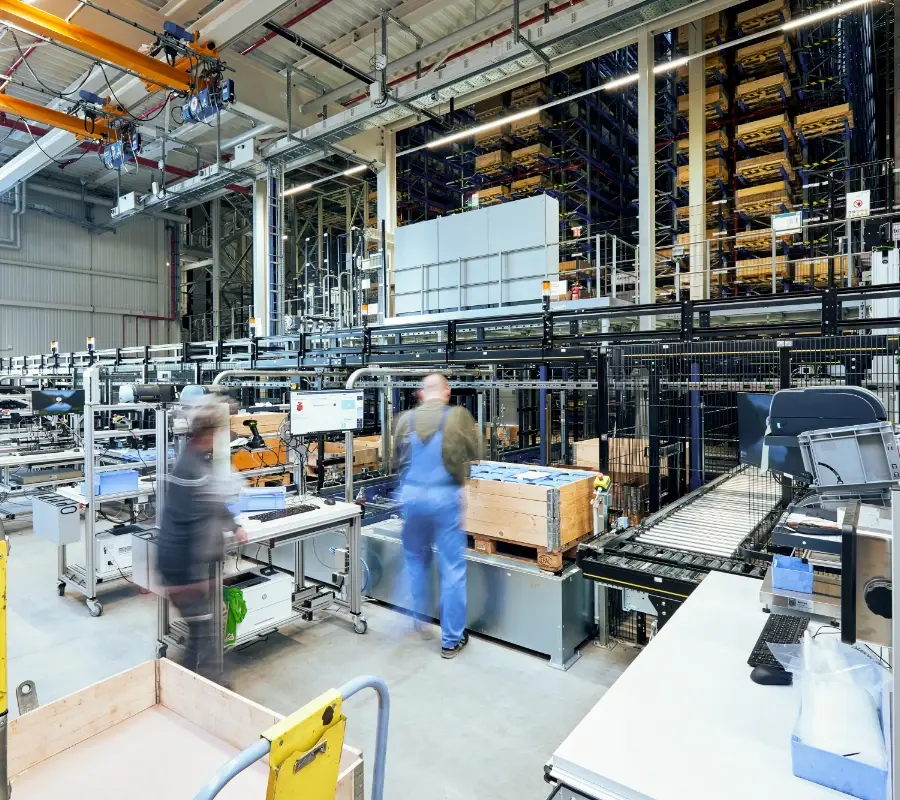
Worker uses a pick-to-light system for efficient goods-to-person order fulfillment in a warehouse.

Toyota Automated Logistics evaluates order profiles, SKU velocity, and service requirements to recommend picking technologies that deliver the lowest total cost of fulfillment. Systems are designed to meet current demand while accommodating growth and seasonal variability.

TAL case and piece picking systems are deployed across a wide range of industries:

  • E-commerce and direct-to-consumer fulfillment
  • Retail distribution and store replenishment
  • Wholesale and B2B distribution
  • Pharmaceutical
  • Medical device distribution
  • Food and beverage, including multi-temperature environments
  • Third-party logistics operations

Frequently Asked Questions

How do I know when it's time to upgrade my picking process?

Common signs include rising labor costs, bottlenecks during peak periods, frequent errors, or difficulty scaling with order growth. If these challenges appear, new tools or workflow designs may help restore efficiency.

How do I determine which picking technology fits my operation?

The right picking technology depends on order profiles (lines and units per order), SKU characteristics (size, weight, fragility), velocity distribution (fast movers vs. slow movers), throughput requirements, and labor constraints. Toyota Automated Logistics conducts a detailed analysis of your operation to model different technology scenarios and identify solutions that deliver the best return on investment.

What items can robotic piece picking handle?

Current robotic picking handles a wide range of items, including boxes, bottles, tubes, cylinders, blister packs, polybags, clamshells and transparent or reflective surfaces. Vision systems identify items regardless of orientation, while AI-powered grasp planning selects appropriate pick strategies. Items with highly irregular shapes, very small dimensions, or extreme fragility may still require manual handling.

How do pick-to-light and put-to-light systems differ?

Pick-to-light illuminates source locations where operators pick items, displaying the quantity to pick. Put-to-light illuminates destination containers or locations where operators place picked items, used for order consolidation or sorting. Many facilities use both: pick-to-light at forward pick locations and put-to-light at packing stations.

How do picking systems integrate with our WMS?

TAL integrates picking systems with your WMS using standard protocols, ensuring stable, real‑time data flow and reliable coordination between automation and your host system. The warehouse management and execution systems manage inventory and allocate work across pick zones, while the picking systems receive instructions, confirm completions, and report exceptions instantly. We support seamless integration with major WMS platforms as well as custom-built solutions.

Ready to Evaluate Case and Piece Picking Systems?

Connect with our engineers to design a reliable, scalable picking solution that improves accuracy, throughput and labor efficiency.