
Toyota Automated Logistics combines Bastian Solutions, Vanderlande’s warehousing business, and viastore under one unified brand.

We deliver innovative warehouse automation solutions that enable our customers to achieve a sustainable competitive advantage.

Search toggle

Automated Receiving and Put-Away Solutions

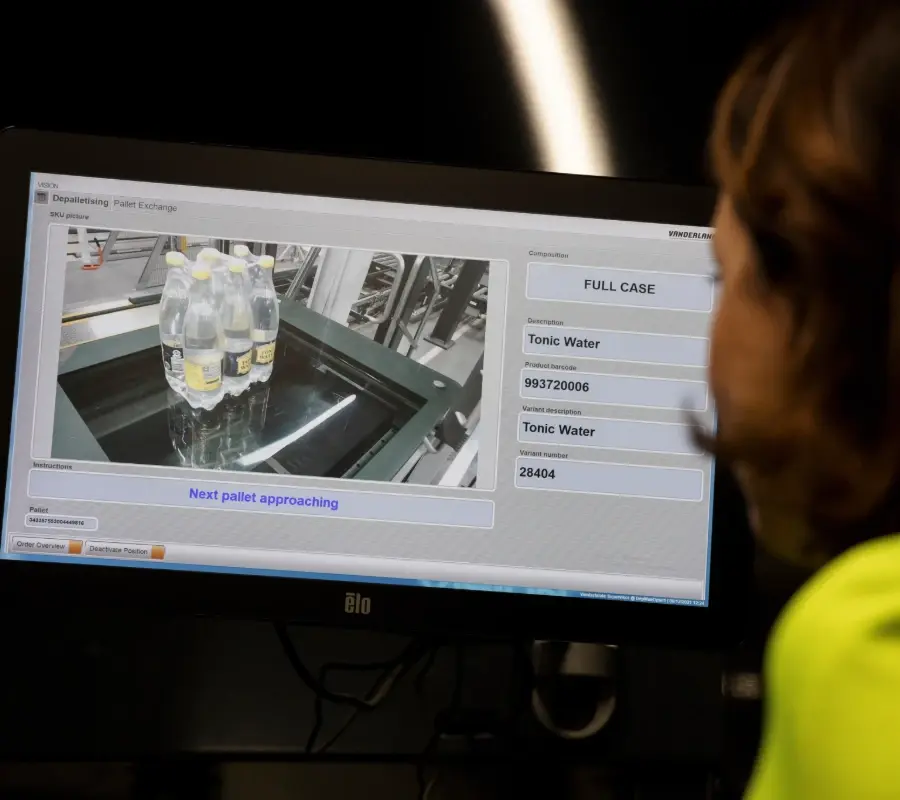
An operator monitors an automated system interface showing real-time inventory receiving.

Automated receiving improves dock operations by replacing manual unloading, scanning, and put-away with integrated systems built for reliable, predictable performance during every shift.

Toyota Automated Logistics (TAL) designs receiving systems that connect inbound docks directly to storage and fulfillment areas using tightly integrated hardware, software, and material flow intelligence. Our solutions combine robotics, depalletizers, conveyor systems, autonomous vehicles, sorters and more to create a continuous flow from trailer to the next stage of your operation.
Overview

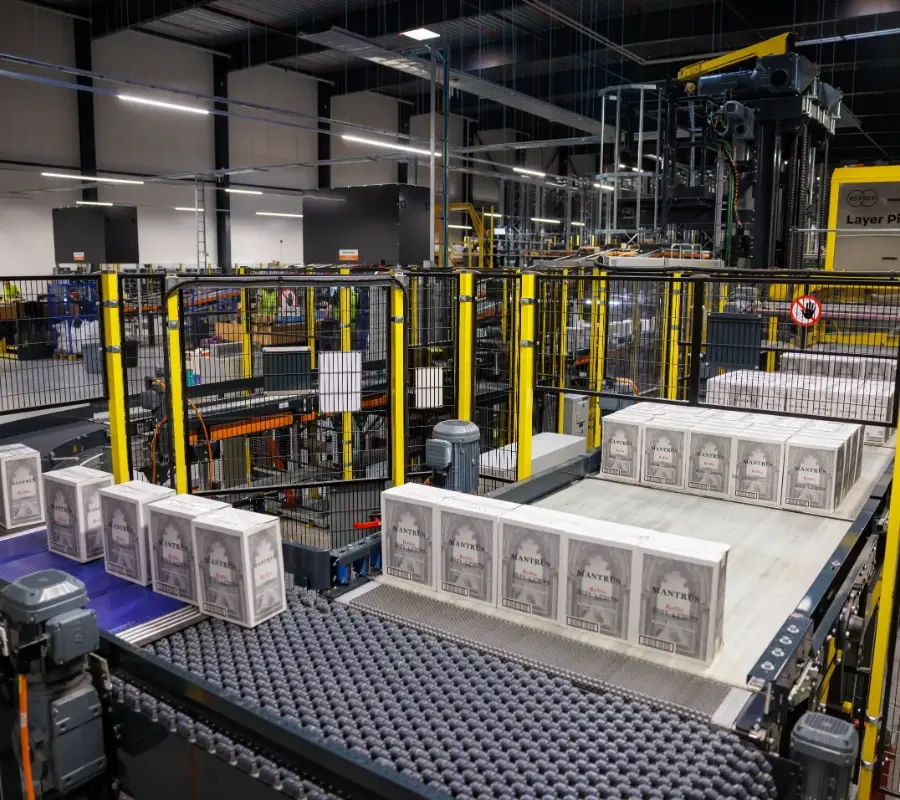
Automated receiving system in a modern distribution center.

What it is: Automated receiving and putaway uses robotics, conveyors, sortation, autonomous vehicles and intelligent software to unload trailers, verify shipments, and route inventory to storage or outbound staging without manual handling.

Why it matters: Manual receiving creates unpredictable throughput, labor bottlenecks during peak periods, and inventory accuracy errors that compound throughout fulfillment operations.

How we help: TAL evaluates your inbound processes to identify automation opportunities that improve reliability, increase throughput and optimize workflow.

Receiving Automation Capabilities

Automated Trailer Unloading

Automated unloading systems extract pallets or cases from trailers at consistent rates regardless of load configuration. These systems handle mixed loads and floor-loaded freight without requiring manual intervention.

Robotic Depalletizing

Vision-guided robots identify layer patterns and pick cases from pallets for singulation onto conveyors. Depalletizers process mixed-SKU pallets and adapt to varying case sizes, weights, and orientations automatically.

Inspection and Verification

Integrated scanners, scales, and vision systems capture barcode data, verify quantities, check for damage, and validate shipment accuracy. Discrepancies trigger immediate alerts and divert affected items for resolution.

Put-Away Routing & Transport

The WMS analyzes item velocity, storage availability, and handling requirements to assign the best storage locations. Directed put-away eliminates wasted travel and ensures high-velocity items occupy accessible positions. Goods are automatically transported to storage locations using conveyors, sortation systems, AGVs or AMRs.

Cross-Docking Automation

Time-sensitive shipments route directly from receiving to outbound staging without entering storage. Automated sortation identifies cross-dock items and merges them into outbound workflows within minutes of arrival.

WMS and WES Integration

Receiving automation connects directly to warehouse management and execution systems for real-time inventory updates. This integration provides instant visibility from dock arrival through storage placement or outbound departure.

Benefits of Automating Inbound Processes

Reduced Dock Bottlenecks

Automated unloading maintains consistent throughput rates that prevent trailer queuing and detention charges during high-volume periods.

Improved Inventory Accuracy

Automated scanning and verification capture every item at receiving, eliminating manual counting errors that propagate through inventory records.

Lower Labor Requirements

Robotic depalletizing and automated transport reduce the workforce needed for physically demanding unloading and put-away tasks.

Faster Put-Away Completion

Directed routing and automated transport move inventory from dock to storage in minutes rather than hours.

Real-Time Visibility

Inventory becomes visible in the WMS immediately upon arrival, enabling faster order fulfillment and accurate availability data.

Predictable Throughput

Automated systems deliver consistent receiving rates that support reliable scheduling and capacity planning.

Comparison: Manual vs. Automated Receiving

Factor Manual Receiving Automated Receiving
Unloading Speed Variable based on crew size and fatigue Consistent rates regardless of volume
Visibility Delay Hours until manual data entry completes Instant WMS updates at scan point
Cross-Dock Capability Manual identification and routing Automated sortation and direct flow
Peak Handling Requires temporary labor or overtime Scales with extended operating hours
Error Resolution Discovered downstream in fulfillment Caught and diverted at receiving
Operational Confidence Dependent on crew consistency Predictable, reliable performance every shift

Applications

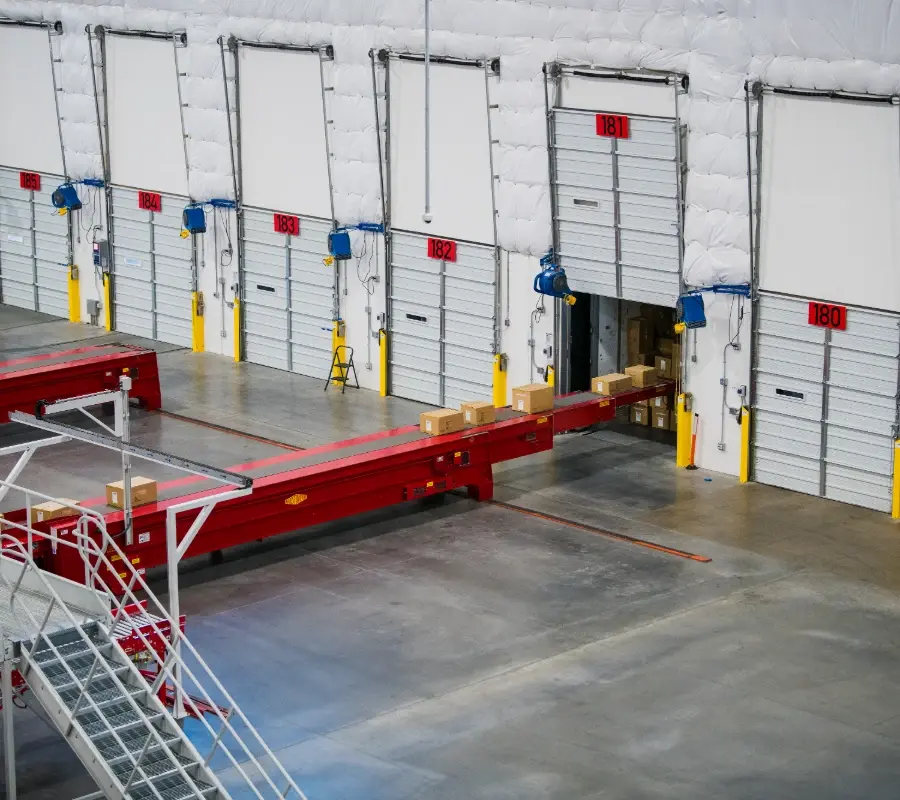
Boxes move on an automated conveyor system at a warehouse loading dock.
  • Retail Distribution Centers
    High-volume seasonal receiving with mixed vendor shipments and rapid inventory turnover requirements.
  • E-commerce Fulfillment
    Continuous inbound flow supporting same-day and next-day order processing with real-time inventory availability.
  • Food and Beverage
    Temperature-controlled receiving with lot tracking, date code verification, and FIFO inventory rotation.
  • Manufacturing
    Raw material and component receiving with just-in-time delivery to production lines and assembly areas.
  • Third-Party Logistics
    Multi-client receiving operations requiring flexible handling, accurate segregation, and rapid inventory visibility.

Frequently Asked Questions

How will automated receiving change our current dock workflow?

Automated receiving streamlines dock operations by replacing manual unloading, scanning, and routing with coordinated systems that move product directly from trailers into storage or processing. Your team shifts from time-consuming repetitive manual tasks to higher-value oversight and exception handling, resulting in more predictable throughput and fewer bottlenecks.

How flexible is the system if our product mix or volumes change?

Automated receiving platforms are designed with modular components — robotics, conveyors, AMRs, and software — that can be reconfigured or expanded as your needs evolve. Whether you introduce new packaging formats or experience seasonal spikes, the system can adapt without major redesign.

Can the solution scale as our business grows?

Absolutely. These systems are built for scalability. You can add capacity, integrate additional automation modules, or expand into new areas of your facility as volumes increase. This helps extend the life of your current building and delays the need for costly expansion or relocation.

Will we need to modify our docks, trailers, or building layout?

Some adjustments may be required depending on the technologies selected. For example, certain automated unloading systems work best with specific trailer configurations, and conveyor or robotic zones may require layout updates. We assess your current setup and recommend the minimal modifications needed to achieve optimal performance.

How much space is required for the equipment?

Space requirements vary based on the level of automation and the types of products you handle. Modular designs allow us to fit systems into existing dock footprints whenever possible, and we provide detailed layout recommendations during the assessment phase to ensure the solution integrates smoothly into your facility.

Can automated receiving integrate with our existing WMS?

Toyota Automated Logistics designs receiving automation to connect with all major WMS platforms through standard APIs and data exchange protocols. Integration provides real-time inventory updates and directed put-away instructions.

Strengthen Every Stage of Your Operation

Partner with our experts to evaluate your workflows and identify reliable automation opportunities that scale with your business.