Toyota Automated Logistics combines Bastian Solutions, Vanderlande’s warehousing business, and viastore under one unified brand.

We deliver innovative warehouse automation solutions that enable our customers to achieve a sustainable competitive advantage.

Search toggle

Robotic Piece Picking for Automated Bin and Order Fulfillment

Smart Item Robotics _SIR_ - Picking robot (2)-1-1

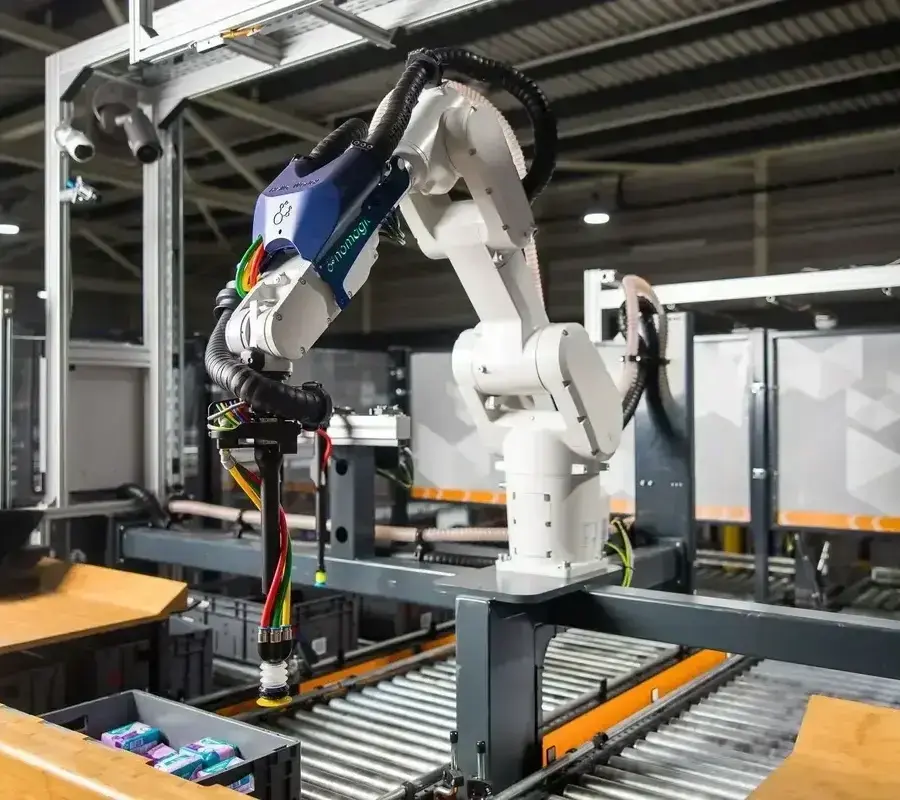
Robotic Piece Picking from Toyota Automated Logistics combines advanced robotics, artificial intelligence, machine learning, and warehouse automation expertise into a flexible, intelligent picking solution.

Built on deep experience in automation and AI-driven vision systems, our robots operate autonomously on machine-learning models refined through pick and place feedback, adapting over time to new or unexpected conditions and supporting 24/7 performance with minimal interventions.

Whether you’re facing warehouse labor availability challenges or increasing consumer demand for next-day order fulfillment, our piece picking robots provide reliable, accurate performance that reduces labor costs and provides a fast ROI. 

Automate Every Pick with Intelligent Robotics

Auto induct robot DHL Madrid (2)-1-1

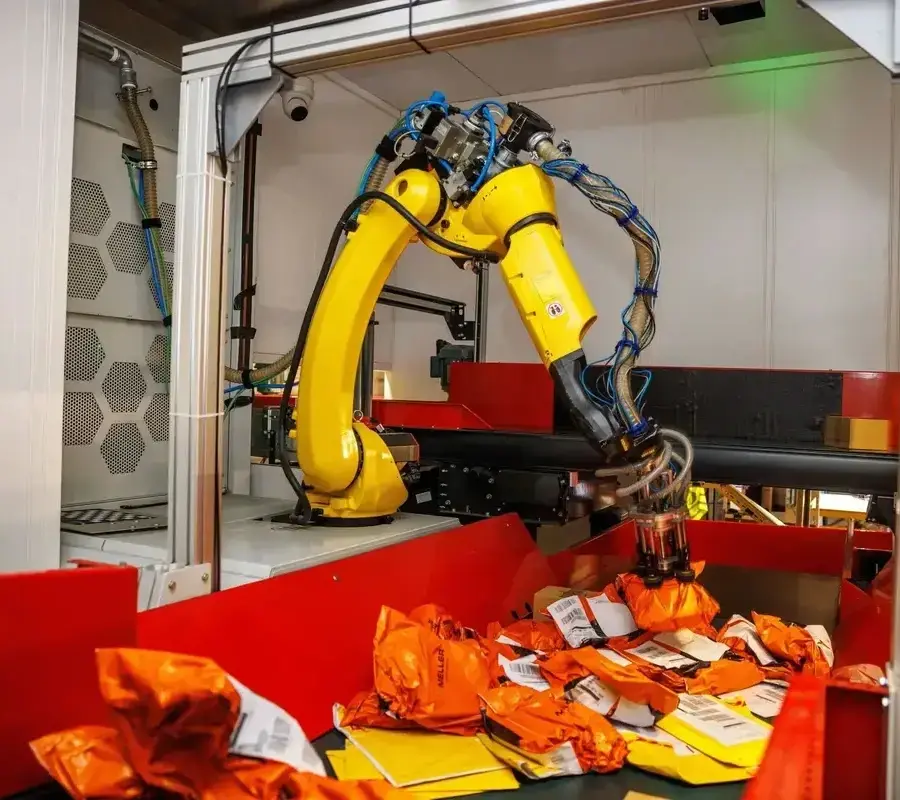
Robotic piece picking transforms individual item handling into a continuous, data-driven process. AI-guided robotic arms operate with precision and consistency, maintaining steady performance across high-SKU assortments and fluctuating order volumes without fatigue or variability.

As each item is processed, the system can refine its understanding of product characteristics and optimal grasp strategies, improving performance over time. The result is a reliable, 24/7 picking capability that increases accuracy, stabilizes throughput, and reduces reliance on manual labor.
Maintain Peak Picking Performance Around the Clock

Smart Item Robotics _SIR_ - Picking robot-1-1

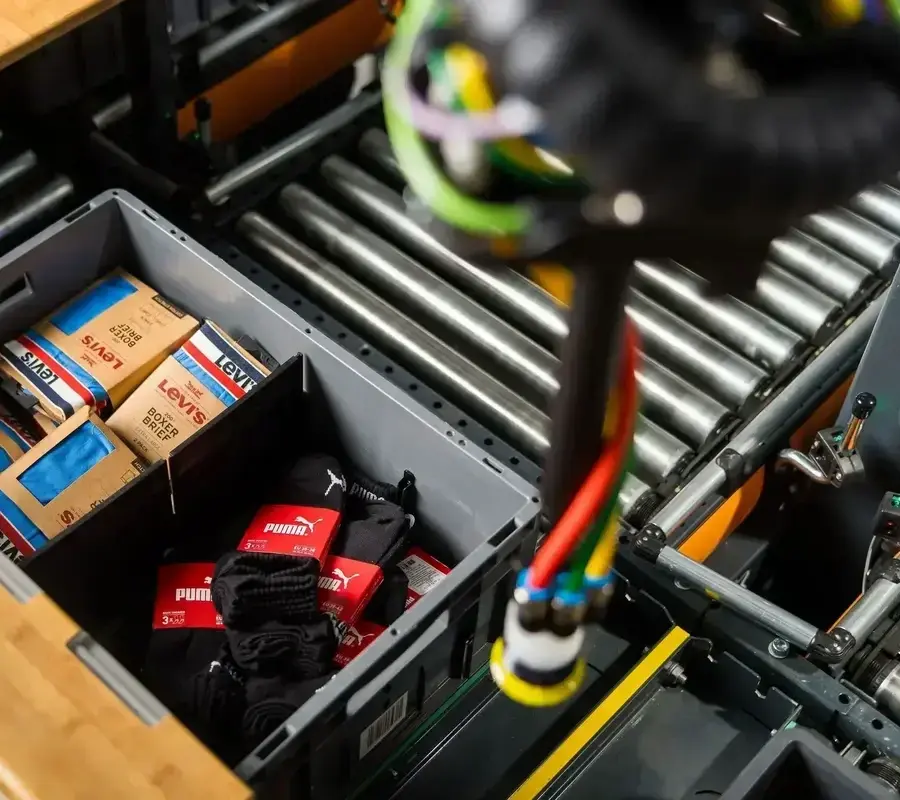
Robotic piece picking provides high picking throughput with minimal operator intervention while maintaining accuracy across high-SKU assortments. Powered by AI-driven vision and advanced end-of-arm tooling, these systems sustain continuous performance without fatigue, making them well-suited for demanding e-commerce, grocery, apparel, and health and beauty fulfillment environments.

Because the machine learning model updates with every pick and shares that intelligence across the fleet, performance improves over time as SKU coverage expands. Operating around the clock, robotic piece picking lowers errors while maintaining steady throughput during peak demand and delivering predictable output without proportional increases in labor.

Sustain High-Throughput, High-Accuracy Picking at Scale

Auto induct robot DHL Madrid-1-1

Labor shortages and rising consumer expectations for next-day fulfillment put increasing pressure on warehouses that rely on manual picking. Robotic piece picking offers a solution to enhance your manual picking operations by delivering consistent performance, steady cycle times, and accurate item handling.

  • Flexible picking of diverse packaging types
  • Increased order accuracy to improve customer satisfaction
  • 24/7 automated operation capabilities
  • Autonomous multi-tote picking with a single robotic arm
  • Accurate identification across millions of SKUs
  • Improved ergonomics by automating repetitive, labor-intensive picking tasks
  • Reduced labor dependency and lower operating costs

Integrate Robotic Picking into a Seamless, End-to-End Fulfillment Flow

Robotic piece picking functions within a coordinated fulfillment ecosystem rather than as a standalone cell. TAL integrates robotic picking with upstream storage and downstream processing equipment, aligning material flow and warehouse software so orders move seamlessly from release through final dispatch.

The AI and vision platform interfaces directly with warehouse execution software (WES), exchanging product data and order fulfillment information so the robotic cells can operate with high autonomy while staying coordinated with facility-wide operations.

  • Goods to Person (GTP) Systems Deliver source bins from automated storage to the robotic picking station for each order.
  • AS/RS and VLMs Supply inventory from automated storage and retrieval systems or vertical lift modules to the pick cell.
  • Conveyor Systems Transport bins and completed orders between the pick station, packing, and outbound shipping areas.
  • Autonomous Vehicles (AVs) Move containers between robotic pick cells and other processing stations across the facility.
  • Checkweighing and In-Line Scales Verify order accuracy by weight after the robotic pick is complete.
  • Automated Labeling Attach shipping labels to completed containers before dispatch to outbound shipping.
  • Warehouse Execution System (WES) 
    Coordinate inventory and order flow, robot tasking, and material handling equipment (conveyance, AVs, right-sized packaging, etc.) across the facility.

Plan for Scalable, High-Performance Robotic Picking

Successfully deploying robotic piece picking begins with a clear understanding of your facility’s layout, throughput targets, and operational model. The type of robotic arm selected influences space requirements and safety design, while expected picking throughput and order volume determine how many cells are required to meet demand.

Integration strategy is equally important. Workstation design, routing logic for non-pickable items, and compatibility with existing automation all shape overall system performance. TAL supports this planning process through detailed assessments and test cell evaluations that validate AI vision performance and end-of-arm tooling compatibility before full-scale deployment.

Key planning factors include:

  • Facility layout and available footprint
  • Throughput requirements and target pick rates
  • Human-robot collaboration strategy
  • Integration with existing storage, transport, and warehouse software systems
  • Vision system and EoAT validation through test cell trials

Frequently Asked Questions

What is robotic piece picking?

Robotic piece picking uses AI-powered vision systems and industrial robotic arms with specialized End-of-Arm Tooling to pick individual items from inventory or return containers. The system identifies the target item, determines the best grasp point, and places the product into a destination container or onto downstream equipment. These systems can operate 24/7 with minimal human intervention, enabling throughput beyond what a single manual pick operator is capable of.

What types of products can robotic piece picking handle?

Robotic piece picking systems handle a broad range of product types including cuboids, cylinders, collapsible tubes, blister packs, polybags, clamshells, and items with transparent or reflective surfaces. Custom EoAT can further adapt to product variability and hard-to-pick materials. The AI vision system will identify and classify new products over time after they are introduced.

How does the AI learn to pick new products?

The AI vision system evaluates items in the bin dynamically, identifying pickable products without requiring pre-programmed item profiles. Over time, the system builds a generic model of objects and their characteristics. This knowledge can be shared across all robotic picking cells in the fleet, so each unit benefits from the combined experience of every other unit.

What happens when the robot cannot pick an item?

Items that the system determines are not yet reliably pickable are automatically routed to human operator workstations. This maintains overall throughput while the AI continues learning. As the machine learning reclassifies previously unpickable items, the percentage of items handled by robots increases over time. If a previously pickable item is unable to be picked, that order will be routed to an intervention station or an operator alerted for assistance, depending on the system design.

What applications does robotic piece picking serve?

Primary applications include order picking and fulfillment, kitting, induction and sortation, put-wall and buffering, and GTP picking for delivery and in-store pick-up. Industries served include e-commerce, grocery, apparel, health and beauty, pharmaceutical, and industrial small parts operations.

What systems does robotic piece picking integrate with?

Robotic piece picking cells integrate with goods-to-person systems, AS/RS, vertical lift modules, conveyor systems, autonomous vehicles, checkweighing equipment, automated labeling, and warehouse execution software.

Can robotic piece picking work alongside human operators?

Yes. Collaborative robotic arms can work directly next to human operators without requiring dedicated safety cells, but at a reduced throughput. Additionally, operations can route non-pickable items to human workstations while robots handle the majority of picks. This hybrid approach maintains throughput while expanding the range of products the overall system can process.

Navigate Your Automation Decisions with Confidence

Whether you're evaluating a single technology or planning a complete automation strategy, we help you choose reliable solutions that scale with your business.